On most Tour de France stages, 170 riders set off together and the peloton shapes the race through collective effort, tactics, and the physics of the draft. A time trial throws all of that out. Riders leave the start ramp one at a time, one to two minutes apart, racing completely alone down a set course with no teammates ahead to shelter behind and no rivals to mark. The only thing that matters is the clock. Known as “the race of truth,” a time trial is cycling’s purest test of individual performance — and in a three-week stage race, a single TT of 20–40 km can move the general classification by over a minute.
- Time trials are raced alone against the clock — drafting and team assistance are forbidden
- Riders start at intervals of 1–2 minutes, with the GC leader starting last so everyone knows the time to beat
- Specialist aerodynamic equipment — TT bikes, aerobars, aero helmets, skinsuits — can save 2–3 minutes over 40 km versus standard road gear
- Time trials award no bonification seconds — every second of advantage is earned purely from speed
- The 2023 Tour de France Stage 16 TT saw Jonas Vingegaard beat Tadej Pogačar by 1 minute 38 seconds over 22.4 km — a margin described by 2017 world TT champion Tom Dumoulin as “the best ever in cycling”
What Makes a Time Trial Different from a Normal Stage
In a standard road stage, strategy, teamwork, and the physics of drafting shape who can survive at the front. A time trial strips all of that away. There is no peloton to hide in, no wheel to follow, no domestique to pull you clear of danger. Each rider starts alone and finishes alone, and the accumulated seconds between start and finish determine the result with absolute precision.
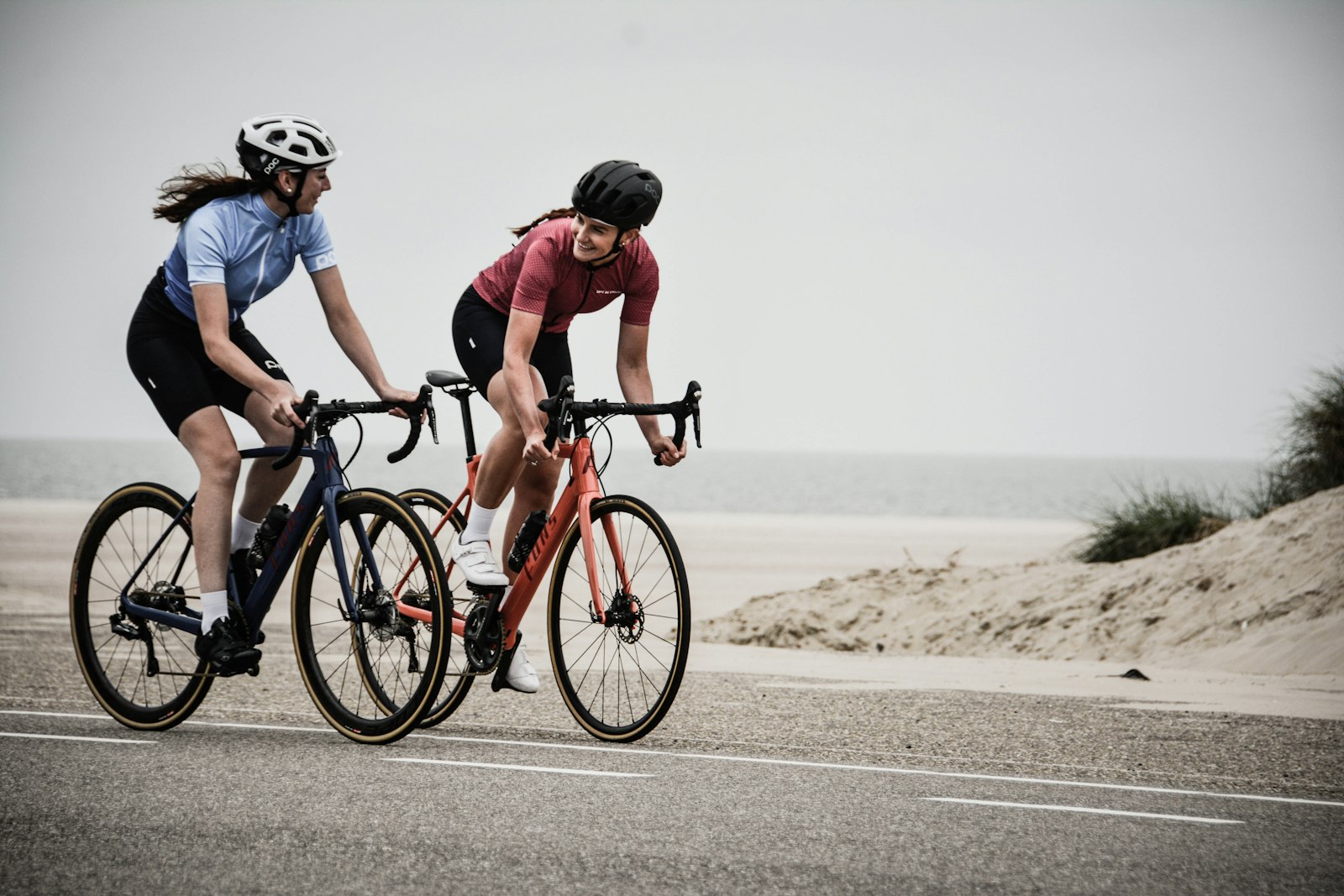
Racing alone against the clock — no drafting, no teammates
According to the UCI’s rules governing individual time trials, competitors are not permitted to draft behind other riders, and any assistance between riders is explicitly forbidden. If a faster rider on the course catches a slower one who started before them, they must maintain the required separation distance rather than riding together. The moment a rider takes advantage of another’s slipstream — even briefly — they risk disqualification or a time penalty.
This prohibition on drafting means every watt of power a rider produces goes directly into overcoming aerodynamic drag and rolling resistance. In a normal road stage at 45 km/h, a rider in the peloton’s sheltered rear experiences just 5% of the drag of a solo rider. In a time trial, there is no such reduction. The full aerodynamic cost of speed must be paid by the rider’s legs alone — which is why time trial specialists train specifically for the effort and why equipment optimised for aerodynamics is worth minutes over a 40 km course.
Start order and intervals: why the GC leader starts last
Riders don’t all leave at once. Each competitor departs from the start ramp at a fixed interval — typically 1 to 2 minutes apart — in a predetermined order. In a stage race, that order is based on the general classification standings: riders lower in the standings start first; those higher start later. The overall race leader starts last.
This arrangement creates a crucial information asymmetry. The last riders to start can see the times set by everyone who went before them — they know exactly what they need to achieve to maintain or improve their position. A GC leader starting last knows whether they need to pace for a win or manage a controlled ride. A challenger starting just before the leader can set a benchmark time and then watch in real time whether the leader beats it. This start-order drama makes the closing 30 minutes of a long time trial stage among the most tense in road cycling.
Equipment: TT bikes, aerobars, skinsuits
Standard road bicycles are designed for versatility — comfortable over mountain passes, responsive in bunch sprints, manageable in technical descents. A time trial bike is designed for one thing: minimum aerodynamic drag at maximum sustainable speed. According to aerodynamic analysis from SimScale’s Tour de France TT bike study, the combination of a TT-specific frame, deep-section wheels, aerobars (which allow the rider to adopt a narrow, low frontal position), and a full aerosuit can reduce drag enough to save 2–3 minutes over a 40 km flat course compared to riding the same distance on a standard road bike in standard clothing.
Riders adopt the aero tuck position — forearms resting on aerobars, back flat and low, head tucked — for as much of the course as possible. This position significantly reduces frontal area and improves airflow around the body. The tradeoff is reduced bike-handling ability and slightly less power output compared to a normal riding position, which is why riders shift out of the tuck on steep climbs and technical corners.
How a Time Trial Actually Plays Out
Watching a time trial for the first time can be confusing — riders leave the ramp at intervals, the course is empty of any racing dynamic, and the standings flip repeatedly as riders cross the line. Understanding the underlying mechanics makes it far more compelling.
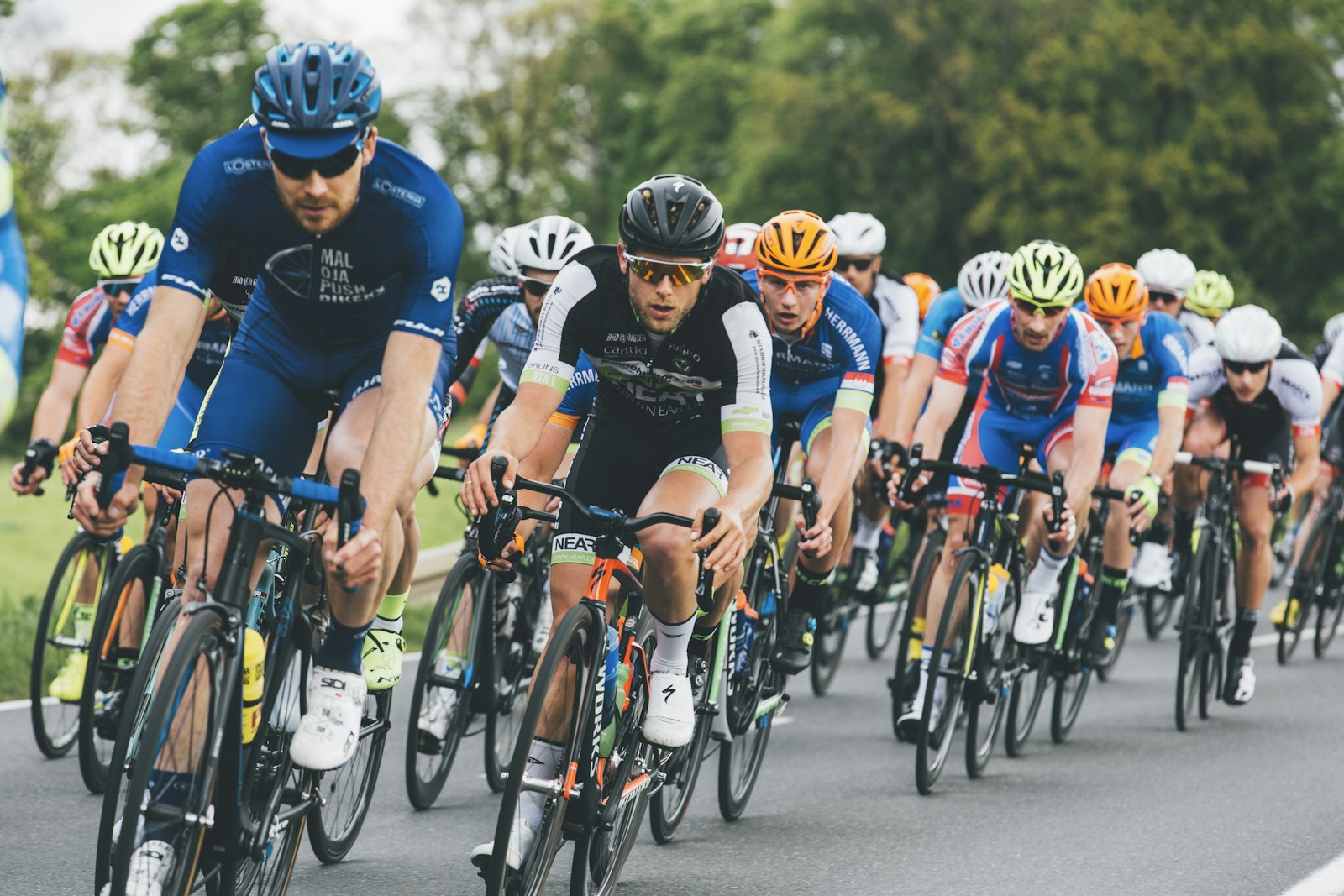
Pacing: the “race of truth” demands perfect effort distribution
A time trial is won or lost on pacing. Go too hard in the first half and lactic acid accumulation forces a catastrophic slowdown in the second half — riders “blow up,” losing far more time in the final kilometres than they gained at the start. Go too conservatively and the accumulated seconds of under-effort are unrecoverable.
As EF Pro Cycling’s primer explains: “Riders must maintain sustainable speed rather than surging early, pushing harder during sections offering greater time gains — uphills, headwinds — while recovering slightly on easier terrain.” Professional TT riders use real-time power meters and radio communication with directeurs sportifs who track checkpoint splits and advise whether to push harder or ease back. Getting within 1–2% of a perfectly paced effort is considered exceptional.
Flat TT vs. mountain TT — two completely different disciplines
Not all time trials are created equal. A flat TT — covering 30–50 km over mostly level terrain — rewards pure aerodynamic efficiency. Specialist time trialists with exceptional power output in the aero position dominate. Pure climbers who struggle to sustain the aero tuck typically lose significant time here.
A mountain TT — like the 2025 Tour’s 11 km stage to the Peyragudes altiport — changes the equation entirely. At climbing speeds, aerodynamic drag matters far less (power-to-weight ratio dominates), riders often abandon the aero position for a more powerful upright seated or standing effort, and standard road bikes are sometimes faster than dedicated TT machines on steep gradients. Mountain TTs tend to produce smaller gaps than flat TTs — but in a tight GC battle, even 30 seconds across a steep 10 km climb can be decisive.
What a 30-second advantage over 20 km actually means
A 30-second gap over a 20 km time trial represents approximately 1.5 watts per kilogram of sustained additional power output across the full course — a meaningful physiological difference between riders who look similarly strong on mountain stages. This is why riders who are separated by seconds in the GC standings can fall minutes apart in a time trial: the accumulated aerodynamic and physiological differences between athletes are impossible to mask when everyone is racing alone at full effort with no tactical shelter available.
Why Time Trials Can Decide the Whole Tour
In a stage race decided over thousands of kilometres, you might expect time trials — covering just 40–80 km of the total distance — to be minor contributors to the overall result. Recent history shows they are often the decisive factor.
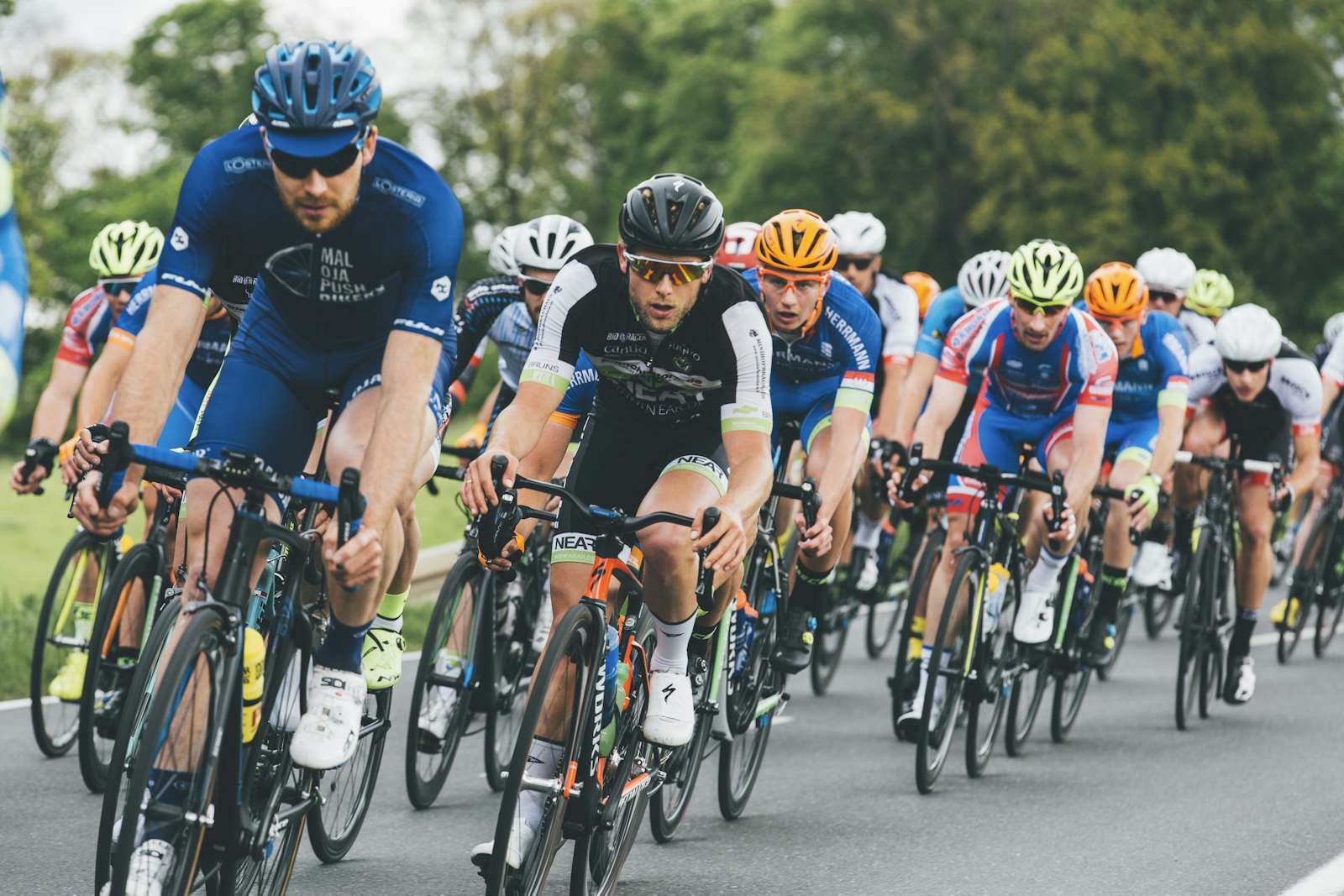
2023 TdF Stage 16: Vingegaard beats Pogačar by 1 minute 38 seconds
The 2023 Tour de France Stage 16 time trial over 22.4 km became one of the most talked-about performances in modern cycling. According to Cyclingnews, Jonas Vingegaard won the stage 1 minute 38 seconds faster than Tadej Pogačar — a gap almost unheard of between two riders separated by seconds on mountain stages throughout the same race. Vingegaard finished almost 3 minutes ahead of the rest of the peloton. Tom Dumoulin, the 2017 World Time Trial champion, called it “the best ever in cycling.” The result effectively ended the GC contest with five stages remaining: Pogačar’s deficit was insurmountable across the remaining mountain stages.
2025 TdF Stage 5: Pogačar takes 1:05 on Vingegaard
Two years later, the equation reversed. At the 2025 Tour de France’s Stage 5 flat time trial, Pogačar gained 1 minute 5 seconds on Vingegaard and took the yellow jersey. The same distance, a similar format — but the physiological and tactical preparation differed enough between the two to produce a similar scale of result in the opposite direction. These two examples illustrate a consistent pattern: when the Tour’s best climbers also diverge in time trial ability, a single TT stage can deliver more GC movement than multiple mountain stages combined.
How many TTs a Grand Tour includes and why route designers use them
Grand Tour organisers face a design choice: more time trials produce cleaner, more decisive GC battles where the strongest all-round rider wins. Fewer time trials create races where tactical peloton management and climber-specific advantages dominate. The 2025 Tour included just 44 km of total individual time trial across two stages — a relatively low amount that concentrated the GC decision on the mountains. Other editions have included 80–100 km of total TT, giving specialist time trialists like Bradley Wiggins (who won the 2012 Tour partly on TT strength) a much greater structural advantage.
For fans new to stage racing, the time trial is the clearest answer to the question: “who is actually the strongest rider?” In the peloton, team tactics, positioning, and the collective shelter of drafting can mask differences in fitness. In a time trial, there is nowhere to hide those differences, no wheel to follow, no teammate to soften the wind. The rider who crosses the finish line fastest simply rode harder for longer — and that is why the race of truth has decided more Grand Tours than any other single stage type.
Frequently Asked Questions
What is a time trial in cycling?
A time trial is a stage where each rider races alone against the clock over a set course. No drafting or team assistance is permitted. Riders start at equal intervals (typically 1–2 minutes apart), and the rider who completes the course in the fastest time wins the stage. In stage races, the GC leader starts last so they know what time they need to beat.
Why is a time trial called “the race of truth”?
Because it eliminates every variable except the rider’s own strength and aerodynamic efficiency. In a normal stage, drafting, team tactics, and peloton positioning mask differences between riders. In a time trial, there is no shelter and no assistance — every second of difference directly reflects the physiological gap between competitors, making the result a purer measure of ability.
Do time trials award bonification seconds?
No. Individual time trials in the Tour de France do not award bonification seconds. Every second of time advantage in a TT is earned purely from speed. The stage winner gains whatever time advantage they build over other riders directly into the GC standings — with no additional bonus deduction added.
What is the difference between a flat time trial and a mountain time trial?
A flat time trial rewards aerodynamic efficiency — riders use specialised TT bikes, aerobars, and skinsuits to minimise drag. A mountain time trial is dominated by power-to-weight ratio: at climbing speeds, aerodynamic drag is far less significant, and riders often use standard road bikes rather than TT machines. Mountain TTs tend to produce smaller time gaps than flat TTs but can still be decisive in tight GC battles.
How much time can a time trial change the overall standings?
Significantly. In the 2023 Tour de France Stage 16 TT over 22.4 km, Jonas Vingegaard beat Tadej Pogačar by 1 minute 38 seconds — a gap that effectively ended the GC competition five stages from the finish. In 2025, Pogačar gained 1 minute 5 seconds on Vingegaard in the Stage 5 TT to take yellow. Single TTs can shift GC positions by more than a week’s worth of mountain racing combined.