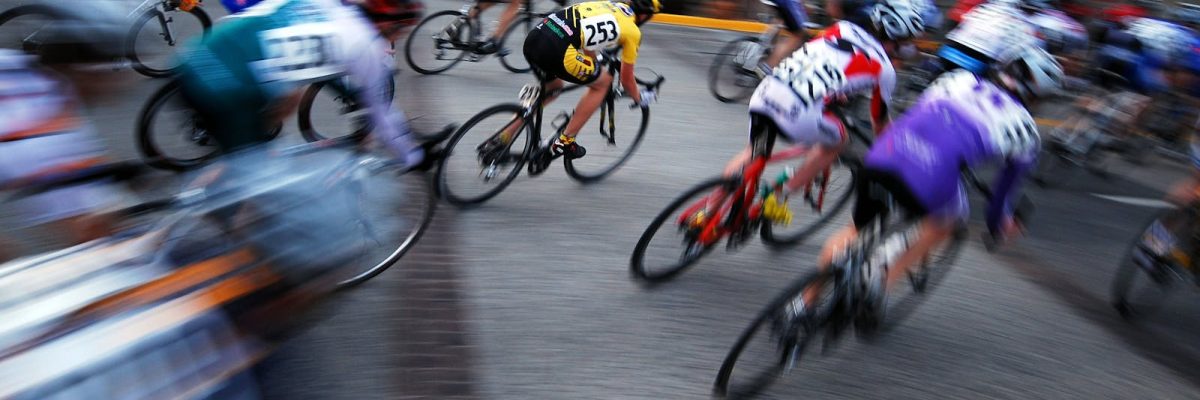
Professional road cycling has two entirely different kinds of prestige: the kind you earn by surviving three weeks in the Alps, and the kind you earn by going all-in for a single day on cobblestones or mountain roads. Grand Tours — the Tour de France, Giro d’Italia, and Vuelta a España — are the sport’s longest and most complex team battles. The Monuments are five one-day races so old and so brutal that winning even one defines a career. Understanding the difference between them is the difference between watching the sport and genuinely understanding it.
- The three Grand Tours — Tour de France, Giro d’Italia, Vuelta a España — are 21-stage, three-week races decided by lowest cumulative time.
- The five Monuments — Milan–San Remo, Tour of Flanders, Paris–Roubaix, Liège–Bastogne–Liège, and Il Lombardia — are one-day races spanning 240–300 km.
- Grand Tours require three weeks of energy management and team tactics; Monuments demand a single explosive effort with no recovery needed afterward.
- Only three riders in history have won all five Monuments: Rik Van Looy, Eddy Merckx, and Roger De Vlaeminck.
- Only seven riders have won all three Grand Tours, and Eddy Merckx remains the only rider to have won both all five Monuments and all three Grand Tours.
Grand Tours: Three-Week Races of Accumulated Time
A Grand Tour is the highest form of stage racing: a three-week event broken into 21 individual daily races (stages), where the winner is the rider with the lowest total elapsed time across all stages. The three Grand Tours form the backbone of the professional road racing calendar and are the races that most casual fans recognize.
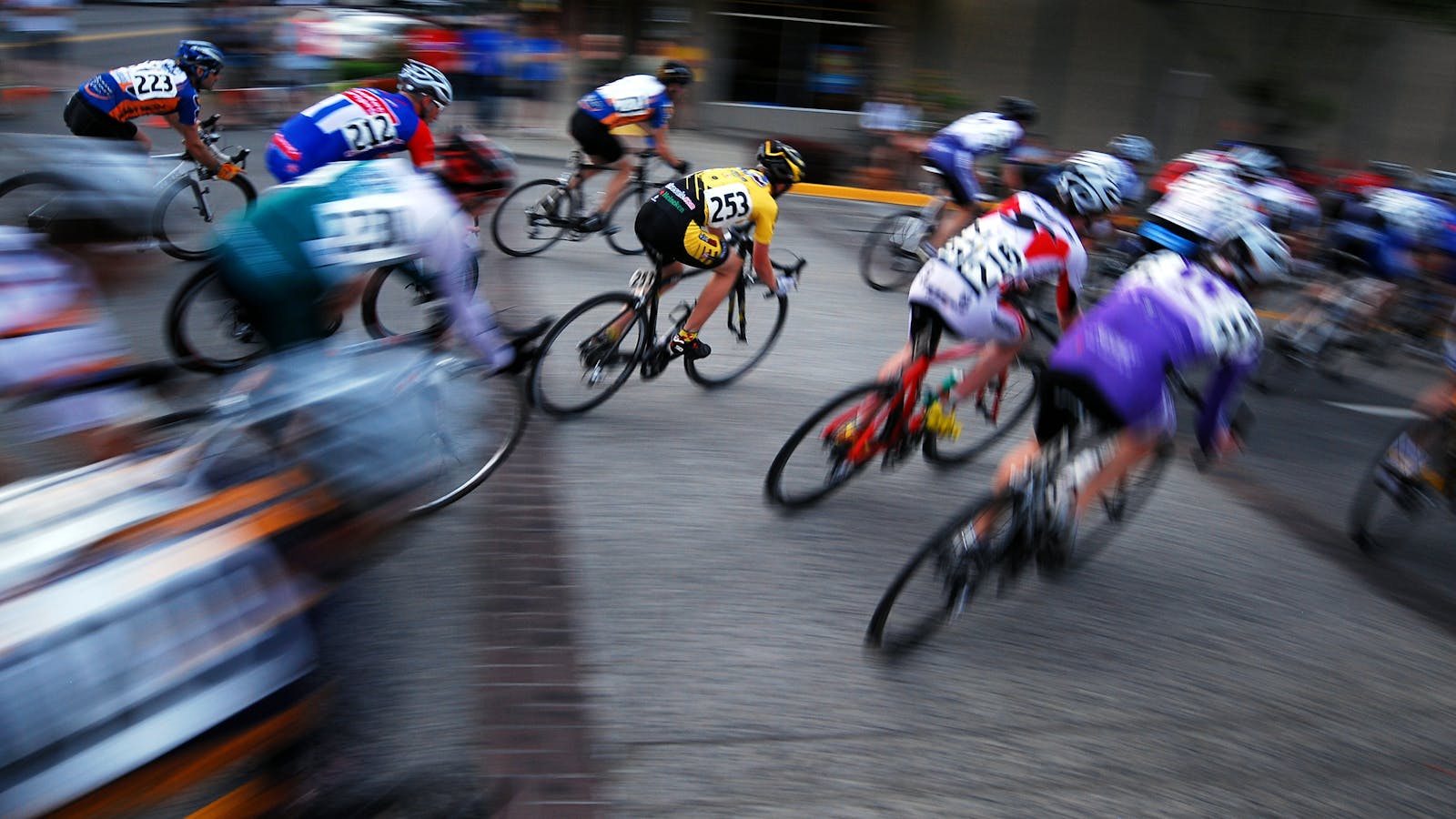
The Three Grand Tours
Tour de France (founded 1903) is the oldest and most prestigious, typically held in July across 21 stages covering approximately 3,400–3,500 km through France and occasionally neighboring countries. Its general classification — the overall time ranking — awards the yellow jersey to the leader, with additional competitions for points (green jersey), mountains (polka dot jersey), and best young rider (white jersey). The Tour de France generates more global media coverage than any other cycling race and is consistently ranked among the world’s most-watched annual sporting events.
Giro d’Italia (founded 1909) is Italy’s equivalent, also 21 stages across three weeks in May. The leader wears the maglia rosa (pink jersey), a color chosen to match the pink pages of La Gazzetta dello Sport, the newspaper that originally organized the race. The Giro is renowned for exceptionally difficult mountain stages in the Dolomites and for a high-altitude finish profile that often delivers more dramatic GC battles than the Tour.
Vuelta a España (founded 1935) is held in August–September, traditionally after the Tour de France, making it the final Grand Tour of the season. The leader wears a red jersey. The Vuelta has gained status significantly in recent decades, with its mountainous Spanish terrain producing competitive racing that has established it as a genuine test of form for many GC specialists.
How Grand Tours Are Decided
The winner of a Grand Tour is determined by one simple rule: lowest total elapsed time across all 21 stages. Every second lost on a mountain stage, in a time trial, or through a crash adds to a rider’s cumulative total. Small time bonuses (10s, 6s, 4s) are awarded at each stage finish to incentivize racing. The full mechanics of how this system works are covered in detail in the Tour de France general classification guide, which applies equally to all three Grand Tours.
What makes Grand Tours uniquely demanding is the recovery component. A rider who burns too much energy on Stage 5 pays for it on Stages 17, 18, and 19. This is why domestiques are so central to Grand Tour tactics — their job is to shield the leader from unnecessary effort throughout the race, preserving energy reserves for the critical mountain stages in the final week.
The Triple Crown of Cycling
Winning all three Grand Tours in a career is called the “Triple Crown of Grand Tours” and only seven riders have achieved it, according to Wikipedia’s Grand Tour records. Jacques Anquetil, Felice Gimondi, Eddy Merckx, Bernard Hinault, Alberto Contador, Vincenzo Nibali, and Chris Froome are the seven. Winning all three in a single calendar year — sometimes also called the Triple Crown — has only been achieved twice: by Eddy Merckx in 1974 and Jacques Anquetil in 1963.
The Five Monuments: One-Day Classics with Over 130 Years of History
The five Monuments are the most prestigious single-day races in professional cycling, each with a history stretching back to the late 19th or early 20th century. Unlike Grand Tours, Monuments produce an immediate, unambiguous winner: the first rider across the finish line, no cumulative time required. Every rider starts equal and has one day to prove it.
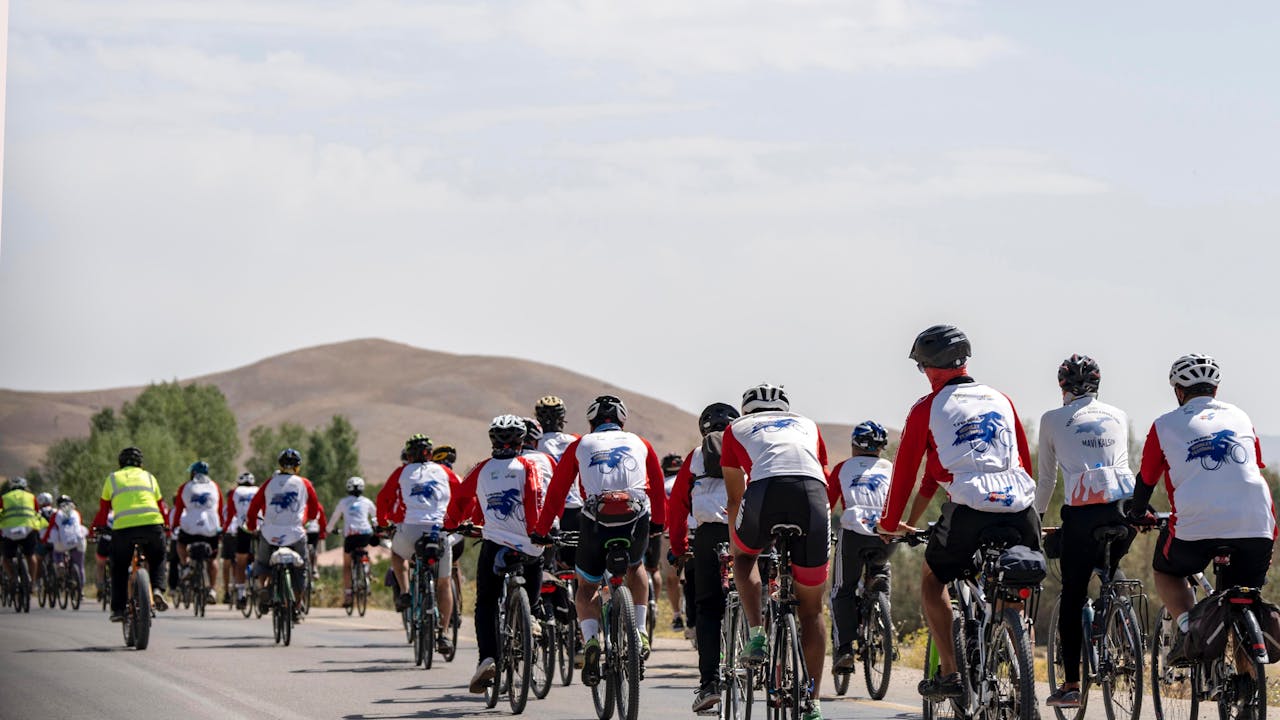
The Five Races and What Makes Each Unique
Each Monument has a distinct character that shapes the type of rider most likely to win it:
| Monument | Founded | Distance | Terrain | Nickname |
|---|---|---|---|---|
| Milan–San Remo | 1907 | ~300 km | Mostly flat, late climbs | La Primavera / La Classicissima |
| Tour of Flanders | 1913 | ~272 km | Short, steep Belgian climbs + cobbles | De Ronde |
| Paris–Roubaix | 1896 | ~260 km | 30 cobbled sectors (50+ km of pavé) | Queen of the Classics / Hell of the North |
| Liège–Bastogne–Liège | 1892 | ~250 km | Ardennes hills — pure climbing | La Doyenne (The Old Lady) |
| Il Lombardia | 1905 | ~240 km | Hills around Lake Como | Race of the Falling Leaves |
Liège–Bastogne–Liège, founded in 1892, is the oldest Monument. It is nicknamed “La Doyenne” (The Old Lady) and is raced through the hilly Ardennes region in late April, making it a climbers’ race where explosive punching power on short, steep ascents determines the winner.
Paris–Roubaix, founded in 1896, is arguably the most dramatic. The race runs from Compiègne (it no longer starts in Paris) to the Roubaix Velodrome across 30 cobbled sectors totaling more than 50 km of pavé, according to Paris–Roubaix’s Wikipedia page. Riders emerge covered in mud and blood. The winner receives a cobblestone pulled from the course.
Milan–San Remo, at approximately 300 km, is the longest one-day race on the UCI WorldTour calendar — and also one of the most unpredictable, as its mostly flat profile means sprinters can survive to the finale if the late climbs don’t split the race.
Why Monument Victories Are Permanent
Winning a Monument is permanent in a way that Grand Tour victories are not. A Grand Tour winner can be retrospectively stripped of their title through doping disqualification — Lance Armstrong lost all seven of his Tour de France victories. Monument victories are rarely subject to the same retrospective stripping, and their one-day nature makes them harder to “manage” strategically over multiple days. You either have the legs on that specific day, or you don’t.
Different Riders, Different Skills: Why Very Few Win Both
The reason the Grand Tour/Monument distinction matters is that the two formats reward fundamentally different physical types. A rider built to win the Tour de France is rarely the same rider built to win Paris–Roubaix. The events overlap only in the rarest of talents.
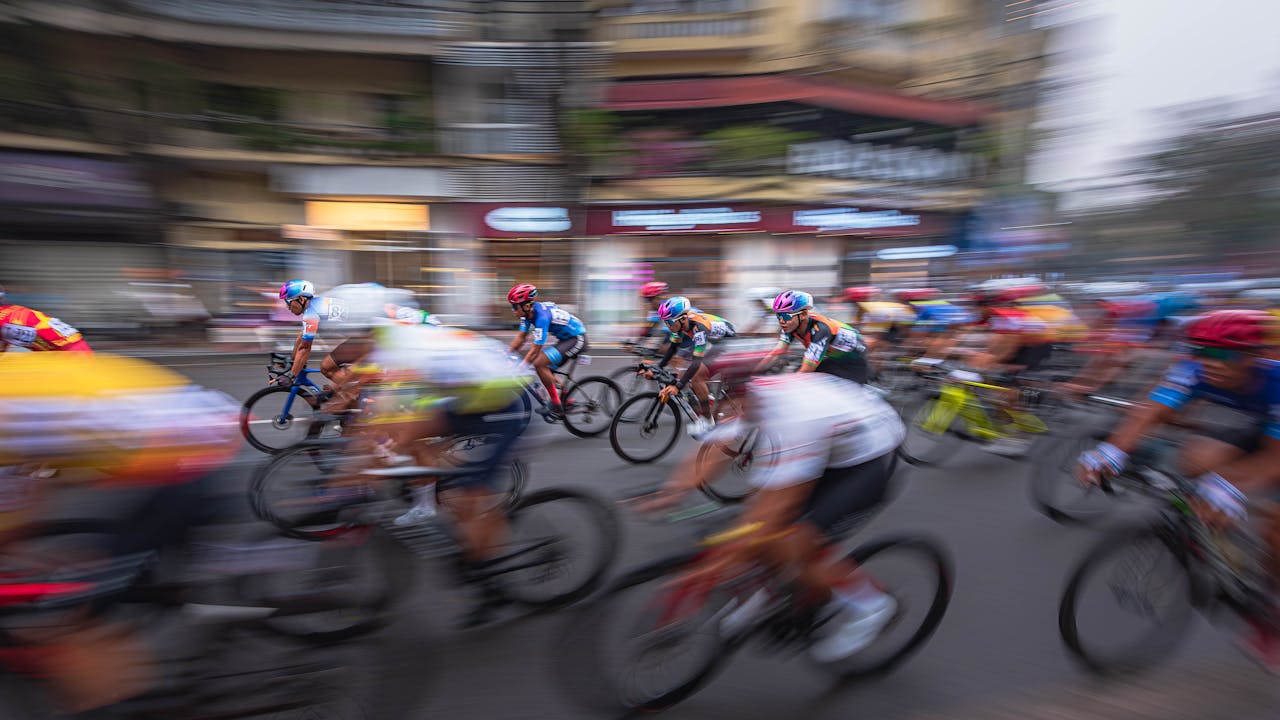
Grand Tour Specialists vs. Monument Specialists
Grand Tour winners are typically lightweight climbers with exceptional time trial ability and the tactical intelligence to manage energy over 21 days. Tadej Pogačar, Jonas Vingegaard, Primož Roglič — these are riders whose bodies are optimized for sustained output at altitude over three weeks. Their power-to-weight ratio is their primary asset.
Monument specialists divide further into sub-types. Paris–Roubaix and Tour of Flanders reward the cobbled classics specialist — a powerful, relatively heavier rider who can handle rough terrain at speed and produce explosive efforts on short, steep bergs without losing time on flat sections. Riders like Mathieu van der Poel and Wout van Aert exemplify this type. Liège–Bastogne–Liège and Il Lombardia, by contrast, reward puncheur-climbers who can attack on long, steep Ardennes hills — riders whose profile overlaps more with GC talent.
The Three Who Won All Five Monuments
Only three riders in history have won all five Monuments: Belgian riders Rik Van Looy (career: 1952–1970), Eddy Merckx (1965–1978), and Roger De Vlaeminck (1969–1984), according to Wikipedia’s monument statistics. Eddy Merckx holds the all-time record with 19 Monument victories: 7 Milan–San Remo, 2 Tour of Flanders, 3 Paris–Roubaix, 5 Liège–Bastogne–Liège, and 2 Il Lombardia. He also won all three Grand Tours — a combination of breadth no other rider has matched.
Can Modern Riders Win Both?
In the modern era, the increasing specialization of professional teams and training methods has made winning both formats harder than in Merckx’s era. However, Tadej Pogačar has come closer than any rider since Merckx, winning the Tour de France three times while also winning three Monuments — Milan–San Remo (2024), Strade Bianche (not a Monument but a major classic), and Il Lombardia multiple times. His ability to win both formats places him in rare company and has made him the most discussed cyclist of his generation.
The divide between Grand Tours and Monuments is ultimately a divide between endurance and explosion, between marathon and sprint, between three weeks and one day. Both formats have produced iconic racing moments and defined legendary careers — just for entirely different reasons.
Frequently Asked Questions
What are the three Grand Tours in cycling?
The three Grand Tours are the Tour de France (France, founded 1903), Giro d’Italia (Italy, founded 1909), and Vuelta a España (Spain, founded 1935). All three are 21-stage, three-week events decided by lowest cumulative time.
What are the five cycling Monuments?
The five Monuments are Milan–San Remo, Tour of Flanders, Paris–Roubaix, Liège–Bastogne–Liège, and Il Lombardia (Giro di Lombardia). All are one-day races of 240–300 km with histories stretching back to between 1892 and 1913.
Which cycling Monument is the oldest?
Liège–Bastogne–Liège, founded in 1892, is the oldest Monument. Its nickname “La Doyenne” means “The Old Lady” in French — a direct reference to its age. Paris–Roubaix (1896) is the second oldest.
Why is Paris–Roubaix called the Hell of the North?
The nickname dates to the race’s early 20th-century editions, when riders described the devastated, muddy roads of northern France — scarred by World War I — as a vision of hell. The name stuck even after the roads improved, and the race’s 30 cobbled sectors still justify it today.
Can a rider compete in both Grand Tours and Monuments in the same season?
Yes — and the best all-rounders do. The Monuments run primarily in spring (March–April for the cobbled classics, October for Il Lombardia), while the Tour de France is in July and the Vuelta in August–September. A rider can target spring Monuments and then ride the Tour de France in the same calendar year.